What is greenwashing?
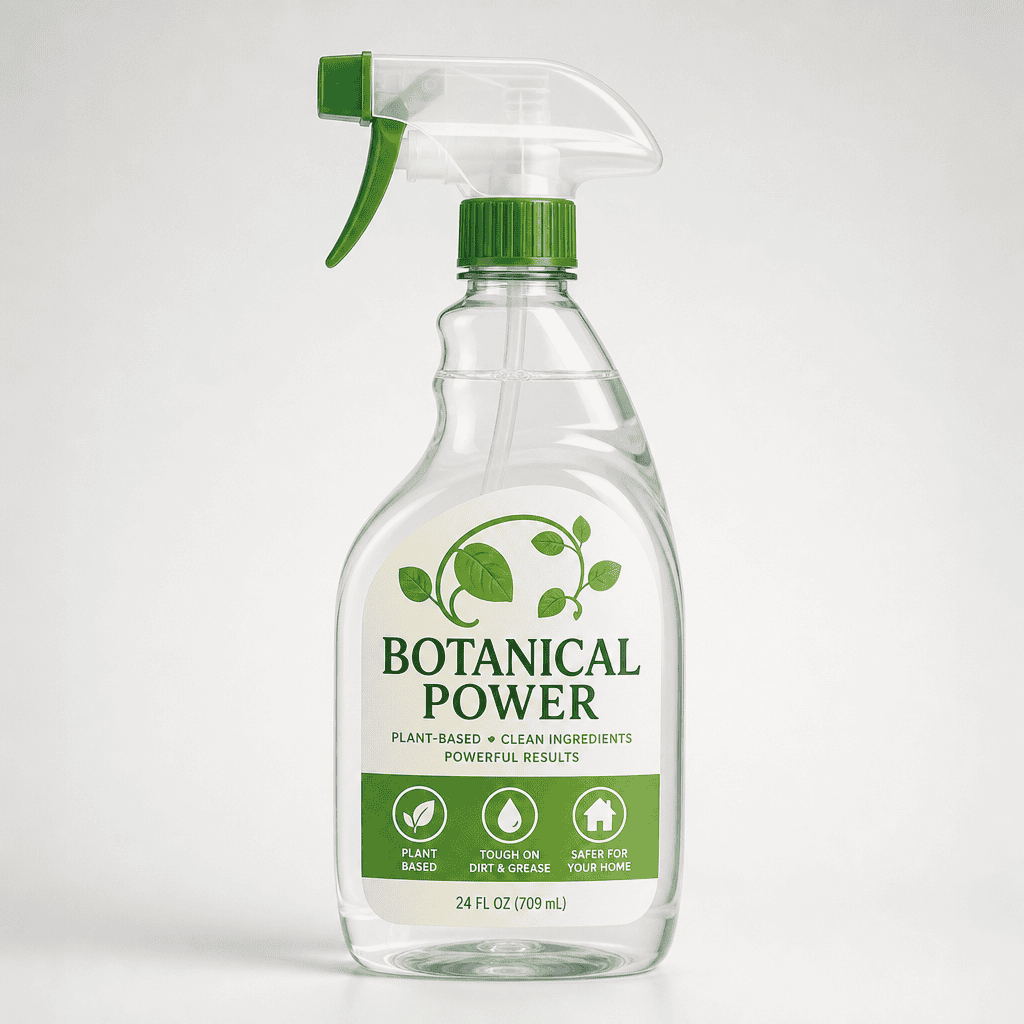
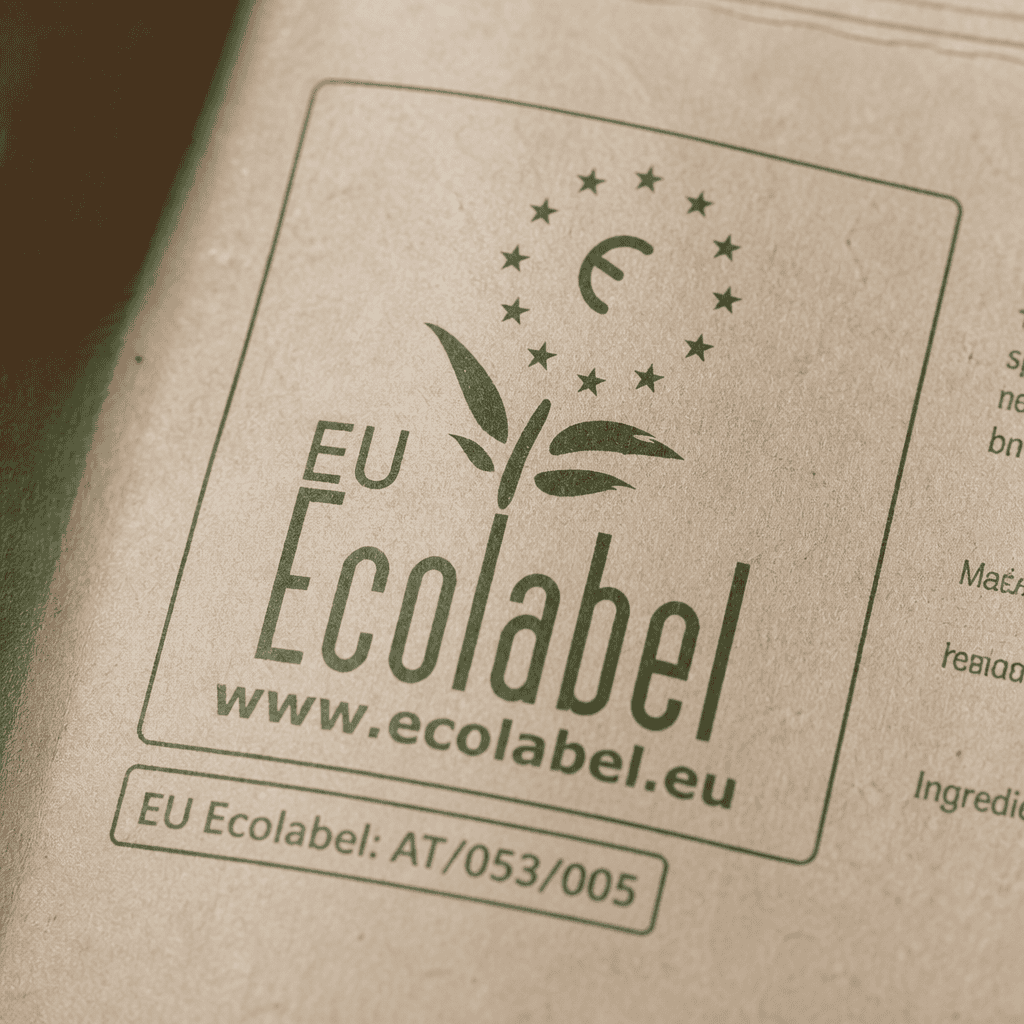
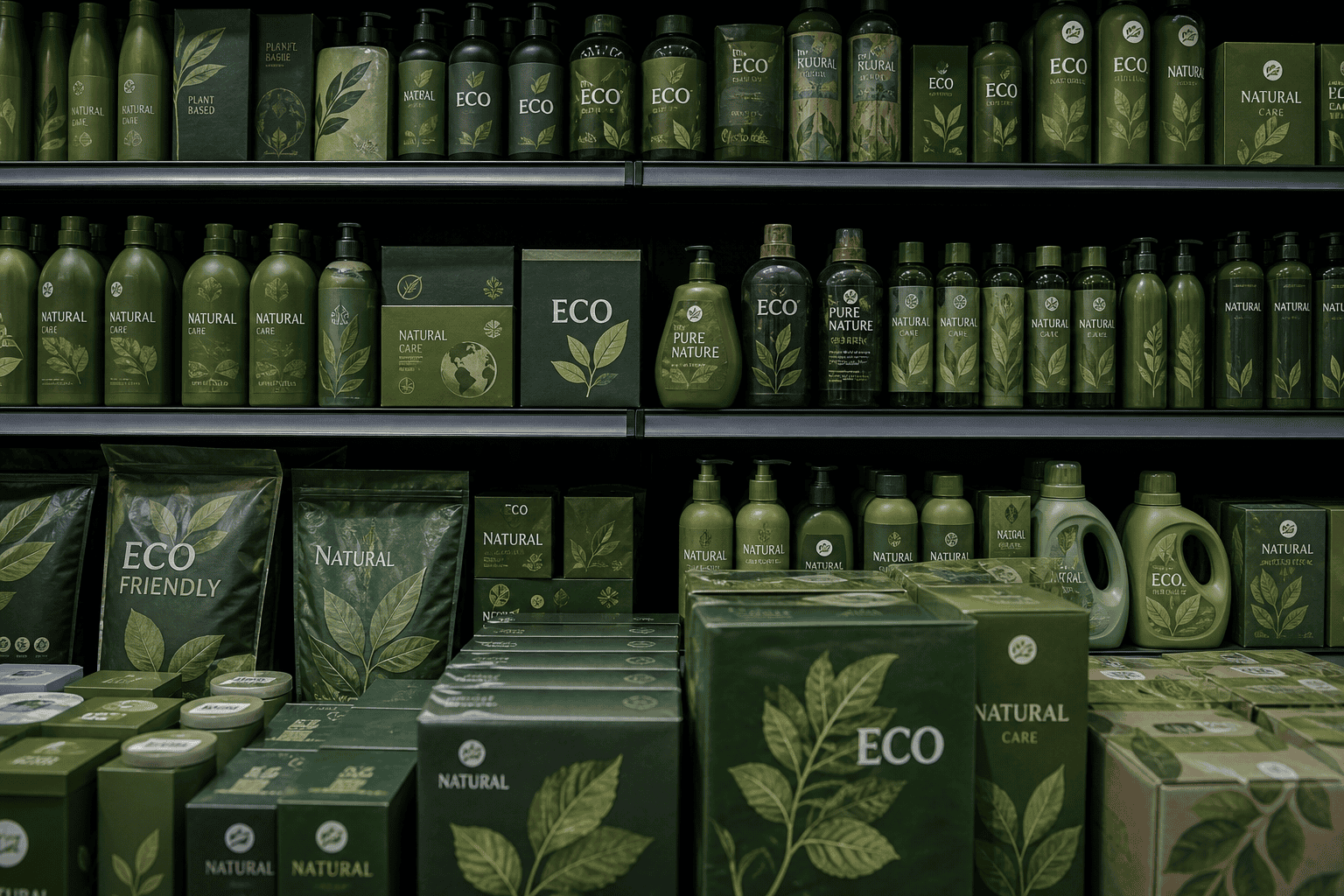
Greenwashing is when a brand makes something look environmentally friendly without solid evidence — through leafy packaging, vague words like “natural” or “eco”, or fake-looking seals.
The product may still be harmful, unverified, or only slightly better than usual. The design does the persuading instead of the facts.
Why it matters
- It steals attention from real progress. Shoppers reward the loudest green story, not always the better product.
- It erodes trust. When everything claims to be green, genuine labels get harder to believe.
- It slows change. Companies can polish the packaging instead of fixing materials, supply chains, or waste.
How to detect it
Use these checks before you trust a green claim:
-
1
Look for a named certificate
Real marks name an independent scheme (EU Ecolabel, FSC — Forest Stewardship Council, GOTS — Global Organic Textile Standard, the EU organic logo, Blue Angel / Der Blaue Engel). A leaf drawing alone is not a certificate.
-
2
Distrust vague adjectives
“Eco”, “green”, “clean”, “botanical”, “nature friendly” sound good and prove little. Ask what was measured and by whom.
-
3
Check the whole product
A recycled hangtag on a polyester fast-fashion tee, or a green bottle that is still single-use plastic, is a classic half-story.
-
4
Prefer verifiable claims
Percentages, materials, and official logos you can look up beat mood boards and soft slogans.
Marks worth knowing
These are recognised third-party labels — independent schemes with published criteria, not brand slogans. Learn to recognise the real marks:
-
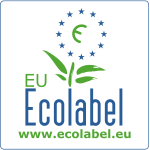 EU Ecolabel Official EU voluntary label for products and services with a reduced environmental impact across their life cycle.
 -
 FSC — Forest Stewardship Council Certifies wood and paper from responsibly managed forests. Look for the FSC tree-and-tick trademark.
 -
 EU organic logo Compulsory on most pre-packaged organic food sold in the EU. Products must contain at least 95% organic ingredients and be certified by an authorised control body.
 -
 GOTS — Global Organic Textile Standard Worldwide leading standard for textiles made from organic fibres, covering environmental and social criteria along the supply chain.
 -
 Blue Angel (Der Blaue Engel) The ecolabel of the German Federal Government for environmentally friendly products and services.
Test your Eco-IQ
Ten product claims. Spot which ones are real green — and which ones are greenwashing.
Start the quiz